Contact Us

Contact Us

Guangzhou Huaisheng Packaging Co.,Ltd.
We provide customers with quality products and provide high-quality services.
If you would like to leave us a comment please go to contact us
+86-18122240089

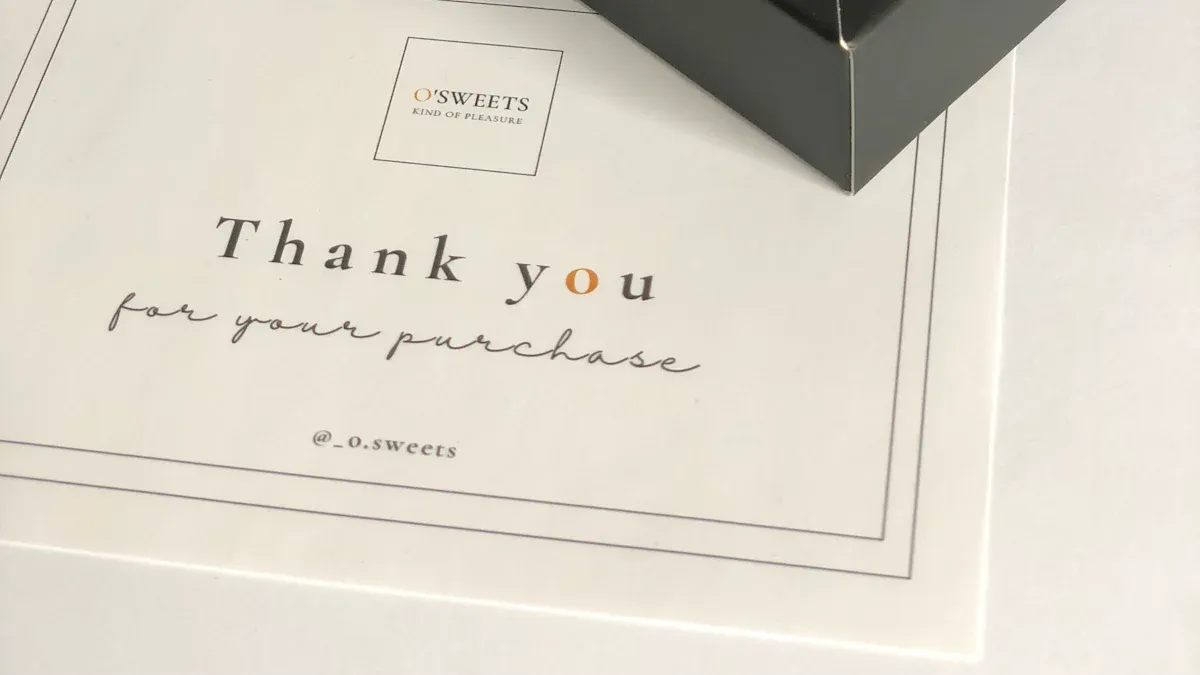
You see bold colors, minimalist lines, and smart tech features lighting up chocolate packaging box shelves this year. Brands lean into luxury finishes, eco-friendly materials, and playful personalization. Designers use biodegradable films, RFID-enabled boxes, and AI-driven patterns to grab attention. These trends help your product pop, boost brand recall, and connect with eco-conscious shoppers. Ready to spark ideas with real-world tips and creative inspiration?
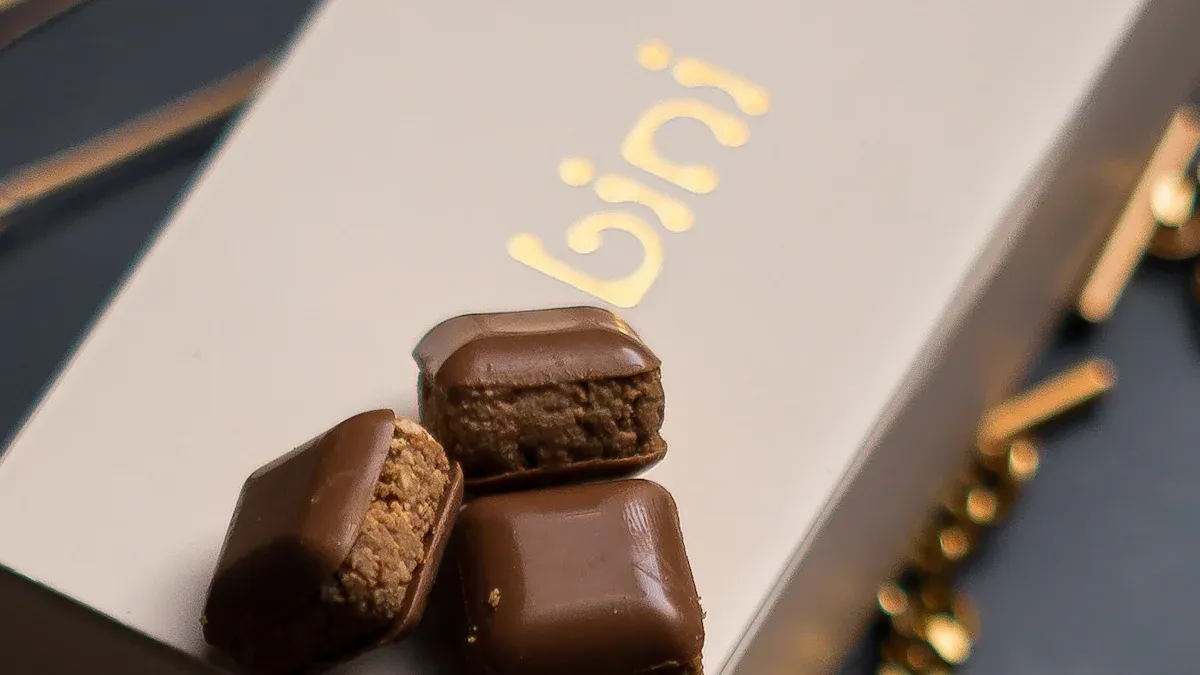
Minimalist luxury is everywhere in chocolate packaging box design this year. You see brands stripping away clutter and focusing on what matters. Clean lines and lots of negative space make each box feel elegant and modern. When you pick up a box with matte or gloss lamination, you notice the smooth surface right away. Hot foil stamping and embossing add a touch of sophistication that catches your eye. These finishes do more than look good—they tell a story about quality and care.
You might not realize it, but the way a box looks and feels shapes your expectations before you even taste the chocolate. The color, texture, and shine all work together to spark emotional responses and drive your decision to buy.
Modern appeal in chocolate packaging box design comes from smart material choices and thoughtful details. You see brands using uncoated papers for a natural, handmade vibe. Textured art papers like linen or eggshell add depth without being flashy. Biodegradable sugarcane-pulp trays protect chocolates and keep things eco-friendly. Recycled paper wraps and compostable films show you care about the planet.
When you combine these materials with minimalist design, you get packaging that feels fresh and sophisticated. The result? A chocolate box that looks great, feels amazing, and makes you want to share it with friends.
Sustainability is no longer just a buzzword—it's a must-have in chocolate packaging box design for 2026. You probably notice more brands making the switch to eco-friendly materials. This shift isn't just about looking good. It's about meeting the expectations of shoppers who care about the planet. Younger buyers, especially Millennials and Gen Z, want to support brands that show real environmental responsibility. You also see new rules and regulations pushing companies to use greener options.
You might wonder how biodegradable and plant-based films stack up against traditional plastics. Startups are rolling out compostable and plant-based films that keep chocolate fresh and safe. These films use renewable resources like cornstarch or sugarcane. They offer strong moisture and oxygen barriers, so your chocolate stays delicious. Advances in technology mean these materials now match the strength and durability of regular plastics. Plus, they're becoming more affordable as demand rises.
If you want to source these materials, look for suppliers who specialize in renewable resources. Ask about certifications for compostability and food safety. Test the films for print quality and heat resistance to make sure they fit your brand's needs.
Recyclable plastics are another smart choice for your chocolate packaging box. These materials help you meet eco-regulations and appeal to green-minded shoppers. You can find options made from post-consumer recycled content, which cuts down on new plastic production and keeps waste out of landfills. Design your packaging for easy recycling—avoid mixed materials that confuse recycling systems.
When you choose recyclable plastics, work with suppliers who can verify the recycled content. Make sure your packaging includes clear recycling instructions for customers.
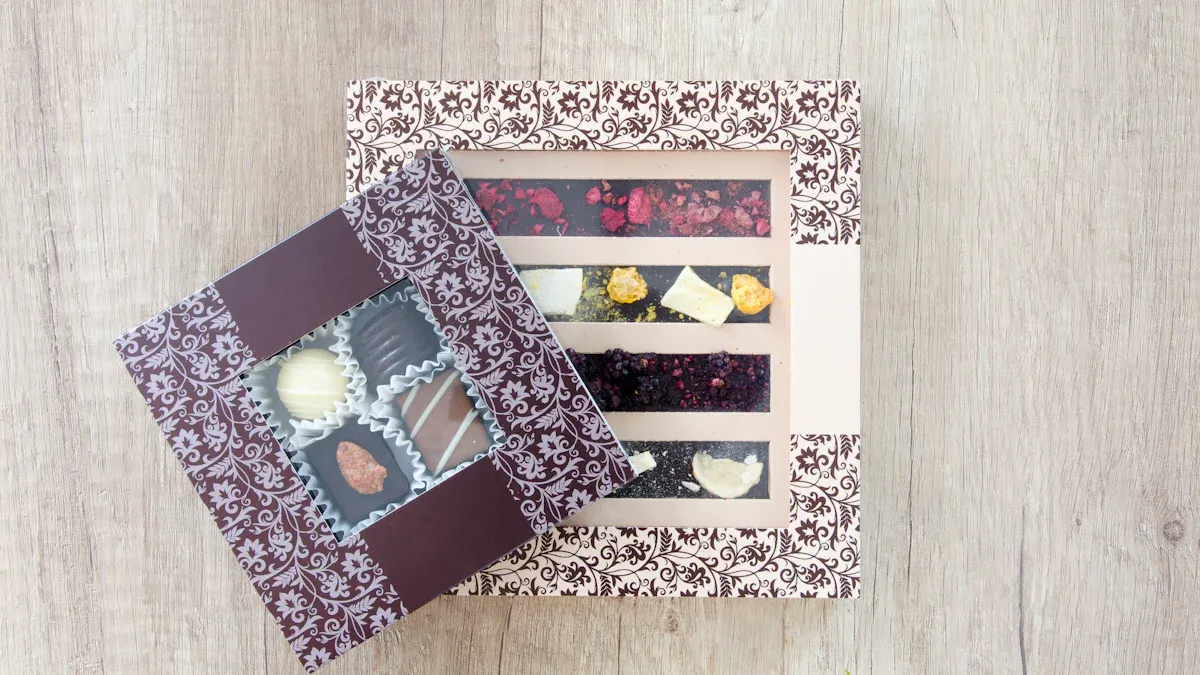
You want your chocolate packaging box to stand out, right? Artistic and hand-drawn designs make that happen. When you see a box with custom illustrations, it feels like you’re holding a mini canvas. Brands use these designs to tell stories and spark curiosity. Sometimes, the artwork takes center stage with minimal text, turning each box into a collectible. Le Chocolat des Français shows how collaborating with artists can create packaging that grabs attention and keeps customers engaged.
Typography does more than just share information. It shapes how you see a brand. Bold typography creates a strong visual impact and helps you remember the brand easily. You notice serif or cursive fonts on boxes that want to feel luxurious and traditional. Bold sans-serif fonts give off a modern and friendly vibe. When you pick up a box with striking letters, you know the brand wants to make a statement.
Custom illustrations turn packaging into art. You see brands using hand-drawn scenes, playful doodles, or even abstract patterns. These designs make each box unique and memorable. Artistic illustrations help tell the story behind the chocolate, whether it's the origin of the beans or the inspiration for the flavors. You might spot luxury finishes like embossing or metallic foil stamping that add depth and shine. Deep color palettes with gold or silver accents catch your eye and invite you to explore.
You want your chocolate packaging box to do more than just hold treats. You want it to surprise, delight, and tell a story. This year, designers push the boundaries with creative structures and eye-catching motifs. You see boxes that look like books, city maps, or even puzzles. These designs turn every unboxing into an experience.
Book-like packaging grabs your attention right away. You open the box like a novel and discover layers of chocolate inside. Some brands use magnetic closures for a smooth, satisfying snap. Others add multi-layered reveals, so each section feels like a new chapter. You might find packaging that doubles as a city map, showing off local flavors and ingredients. The Five Boros box, for example, represents different NYC boroughs with special ingredients and a clever city map design.
Here’s a quick look at some standout designs:
Geometric animal motifs and urban scenes bring energy and personality to your packaging. You see Omnom bars with origami-inspired animals—swans, octopi, unicorns—set against bold backgrounds. These shapes catch your eye and make each box feel playful and modern. Urban scenes add a sense of place and story, especially when paired with book-like structures.
You can mix clean design elements with these motifs for a balanced look. When you use geometric animals or city scenes, you give your chocolate packaging box a unique identity that stands out on the shelf.
You see a new wave of industrial minimalism taking over chocolate packaging box design. This trend strips away the unnecessary and puts the focus on what matters most—quality, sustainability, and a premium feel. You notice brands using raw materials like FSC-certified paper and recycled cardboard. These choices not only look good but also show you care about the planet.
Check out how different design elements contribute to this minimalist look:
You might see a box with a smooth, uncoated surface and a simple embossed logo. That’s all it takes to make a strong impression. Many brands now use paper-based alternatives instead of PET films or aluminum foils. This shift supports a circular economy and keeps your packaging eco-friendly.
Urban-inspired aesthetics bring city energy to your chocolate packaging box. You spot clean lines, simple fonts, and bold colors that pop on the shelf. These designs often reflect local culture or art, making each box feel unique and connected to a place.
You might pick up a box that uses a splash of neon or a pattern inspired by street art. These touches make the packaging feel fresh and exciting. Urban minimalism isn’t just about looks—it’s about creating a vibe that matches your lifestyle.
You want your chocolate packaging box to do more than just look good. You want it to spark curiosity and create a memorable experience. Interactive and augmented reality (AR) features turn ordinary packaging into something special. When you scan a QR code or tap an NFC tag, you unlock videos, games, or stories about your chocolate. These features make you feel connected to the brand and keep you coming back for more.
AR layers add excitement to your chocolate packaging box. You scan a code with your phone and watch animations pop up. Some brands use AR to share the story behind the chocolate, show how it’s made, or reveal fun facts. You might see Cadbury’s packaging come alive with interactive stories while you unbox. Studies show that over half of shoppers enjoy engaging with AR features, so you know these elements matter.
A great unboxing experience sticks with you. When you open a box and discover surprises, you feel special. Brands use AR and interactive design to create emotional moments. You might find a puzzle to solve, a digital thank-you message, or a virtual tour of the chocolate’s journey. These touches make you want to share your experience online, which helps the brand grow.
Personalization is changing how you connect with chocolate brands. You want packaging that feels special, tells a story, and makes you feel like the chocolate was made just for you. This year, brands are using creative ways to make every chocolate packaging box unique and memorable.
Limited edition packaging grabs your attention and makes you want to buy quickly. You see boxes with rare designs, seasonal themes, or collaborations with artists. These special releases create excitement and a sense of urgency. When you spot a limited edition, you know it might not be around for long. That feeling pushes you to act fast.
Custom messages make your chocolate packaging box feel personal. You might see your name, a special greeting, or a story about the chocolate’s journey. These touches build emotional connections and make you more likely to buy again. When you read a heartfelt message, you remember the brand and want to share the experience.
Personalized packaging can boost repeat purchases by 60%. Boutique brands use storytelling and custom notes to increase sales and strengthen brand identity. You feel valued when a box speaks directly to you.
You've seen how minimalist luxury, sustainable materials, artistic designs, and interactive features shape chocolate packaging in 2026. Try mixing these trends to create packaging that pops. Don’t be afraid to test bold ideas or add personal touches. When you refresh your packaging, you give your brand a fresh edge and help your chocolates stand out on any shelf.
You see bold colors, unique shapes, and interactive features everywhere. Brands use eco-friendly materials and creative designs to grab your attention. Packaging tells a story and makes you want to share your experience.
Look for boxes made from recycled paper, biodegradable films, or plant-based plastics. Ask suppliers about certifications. Test small batches before a full launch. Eco-friendly choices help your brand connect with conscious shoppers.
AR features let you scan codes and unlock videos, games, or stories. You get a fun experience and learn more about the chocolate. Brands use these tools to build loyalty and make unboxing memorable.
Yes! You can add names, custom messages, or special designs. Many brands offer limited editions or let you write a note. Personalized packaging makes your gift feel unique and thoughtful.
You notice matte or gloss finishes, foil stamping, and embossed logos. These details add luxury and make the box look and feel special. Premium touches help your chocolate stand out on the shelf.