Contact Us

Contact Us

Guangzhou Huaisheng Packaging Co.,Ltd.
We provide customers with quality products and provide high-quality services.
If you would like to leave us a comment please go to contact us
+86-18122240089

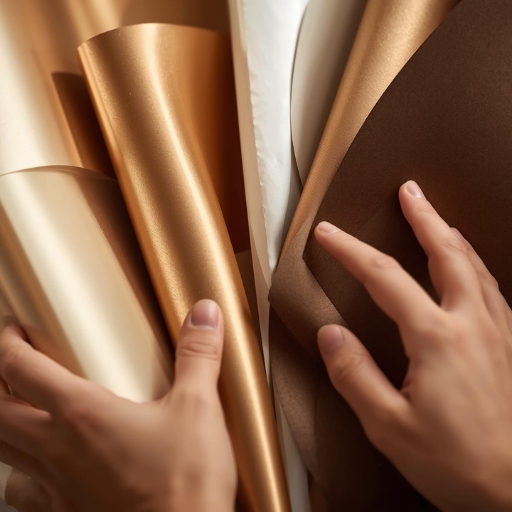
When it comes to elegant packaging boxes, paper choice is not just a technical detail—it is a design decision that directly shapes how a brand is perceived. The texture you feel, the way light reflects off the surface, and even the sound of opening the box all influence whether a package feels premium or ordinary.
From our experience working with global brands and retailers, the difference between an “average” box and an elegant gift box often comes down to selecting the right paper material and combining it correctly with structure and finishing.
This article explains the most commonly used paper types for elegant packaging boxes and how to choose the right one for your product and brand positioning.
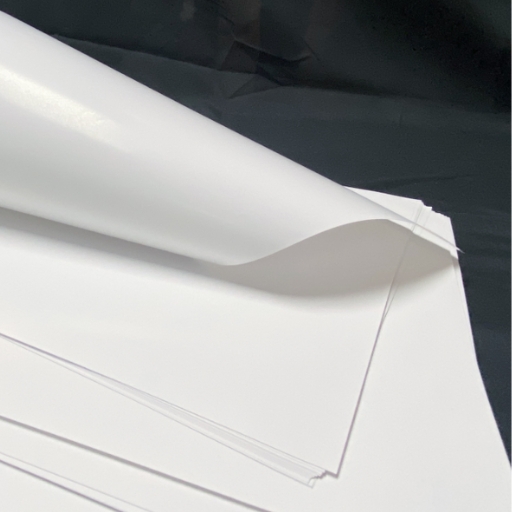
Elegant packaging is about restraint, balance, and quality—not excessive decoration. The paper you choose affects:
First impression: Visual tone, color depth, and surface texture
Tactile experience: Smooth, soft-touch, textured, or natural feel
Structural strength: Especially important for rigid gift boxes
Compatibility with finishing: Foil stamping, embossing, UV, or lamination
Even the most beautiful design can fail if the paper feels cheap or mismatched to the product inside.
Below are the most widely used paper materials for premium and elegant gift boxes, each with different strengths and ideal use cases.
Art paper, also known as coated paper, is one of the most popular choices for elegant packaging boxes.
Key features:
Smooth surface with excellent print clarity
Supports vibrant colors and detailed graphics
Available in gloss or matte finishes
Best for:
Luxury gift boxes with strong visual branding
Cosmetics, chocolates, and fashion accessories
Typical weights:
157gsm – 200gsm for folding boxes
200gsm – 250gsm laminated onto greyboard for rigid boxes
Art paper is ideal when visual impact and color accuracy are priorities.
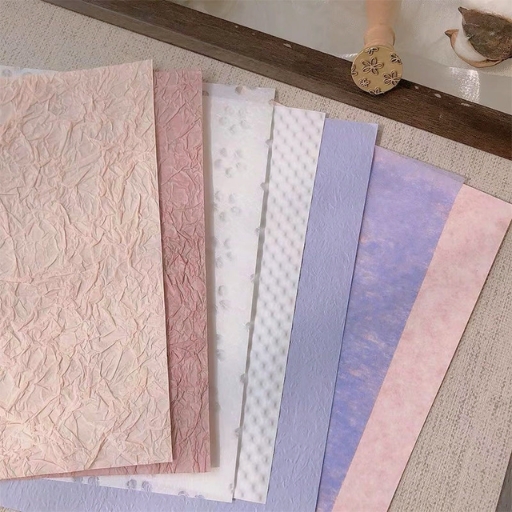
Specialty paper is often used when brands want elegance without heavy printing.
Key features:
Natural textures (linen, leather, fabric, pearl, felt-like)
Often dyed through the paper, not surface-printed
Subtle, understated luxury feel
Best for:
High-end gift boxes
Perfume, jewelry, and premium accessories
Specialty paper pairs especially well with minimal designs, blind embossing, or simple foil stamping.
For modern and minimalist elegant boxes, black cardboard or color core paper is a powerful choice.
Key features:
Strong visual contrast
Premium, masculine, or high-tech aesthetic
Excellent for gold or silver foil stamping
Best for:
Jewelry boxes
Electronics packaging
Luxury men’s gift sets
This type of paper communicates confidence and exclusivity without excessive decoration.
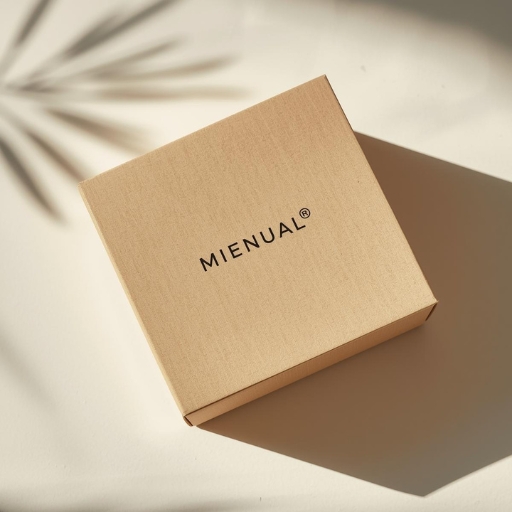
Kraft paper is often associated with eco-friendly packaging, but when used correctly, it can also feel elegant.
Key features:
Natural texture and warm tones
Recyclable and environmentally friendly
Pairs well with minimalist branding
Best for:
Sustainable luxury brands
Natural skincare and lifestyle products
Using kraft paper with clean typography and subtle finishes can create a refined, modern elegance.
While greyboard is not visible from the outside, it is essential for rigid gift boxes.
Key features:
Provides strength and shape
Supports premium box structures
Prevents warping or collapse
Typical thickness ranges from 1.2mm to 3mm, depending on box size and weight. A well-chosen greyboard makes an elegant box feel solid and expensive when held.
Not all elegant boxes use the same paper combinations. Here’s how paper selection changes by box type.
Outer wrap: art paper, specialty paper, or black paper
Core structure: high-density greyboard
Smooth or soft-touch art paper for clean edges
Specialty paper for luxury branding
Textured specialty paper or matte art paper
Strong inner tray material for durability
Linen or leather-textured specialty paper
Ideal for storytelling and premium presentation
Paper alone does not create elegance—it must work in harmony with finishing techniques.
Popular combinations include:
Specialty paper + blind embossing for subtle luxury
Black paper + gold foil stamping for premium contrast
Art paper + soft-touch lamination for smooth elegance
Choosing the wrong paper can make even expensive finishes look cheap or uneven.
Sustainability has become a defining factor in premium packaging decisions.
Many elegant packaging boxes now use:
FSC®-certified paper
Recyclable specialty paper
Water-based inks and coatings
You can learn more about responsible forestry standards from the Forest Stewardship Council (FSC):https://fsc.org
Sustainable materials no longer mean compromising on elegance—when designed correctly, they enhance brand credibility.
From production experience, the most common mistakes include:
Choosing paper based only on price
Ignoring how paper reacts to printing and finishing
Selecting beautiful paper without enough structural support
Over-decorating instead of letting the material speak
Elegant packaging is about thoughtful restraint, not complexity.
An experienced luxury packaging manufacturer helps brands:
Select the most suitable paper for each box style
Balance cost, aesthetics, and durability
Avoid sampling errors and mass production risks
Professional guidance ensures the final packaging matches both brand vision and market expectations.
There is no single best paper. Art paper, specialty paper, and black cardboard are all widely used, depending on brand style and product type.
Specialty paper offers better texture and tactile elegance, while art paper excels in print quality and color accuracy.
Yes. When paired with minimal design and premium finishing, kraft paper can look both elegant and sustainable.
Rigid boxes typically use greyboard as the core, wrapped with art paper or specialty paper.
Absolutely. FSC-certified and eco-friendly papers are now widely used in luxury packaging.
Choosing the right paper for elegant packaging boxes is about understanding materials, structure, and brand positioning. When paper selection is done thoughtfully, the packaging becomes more than a box—it becomes part of the product experience.