Contact Us

Contact Us

Guangzhou Huaisheng Packaging Co.,Ltd.
We provide customers with quality products and provide high-quality services.
If you would like to leave us a comment please go to contact us
+86-18122240089

Apple has always been recognized not just for its groundbreaking technology but also for its premium packaging design. The recent launch of the iPhone 17 in 2025 has once again highlighted Apple’s philosophy: packaging is an extension of the product experience. From the moment customers slide open the rigid box to the tactile feel of its pulp inlay, every detail is carefully engineered.
So, what exactly makes Apple’s packaging so iconic? And how can businesses learn from Apple’s approach when creating their own custom packaging boxes? Let’s break it down.
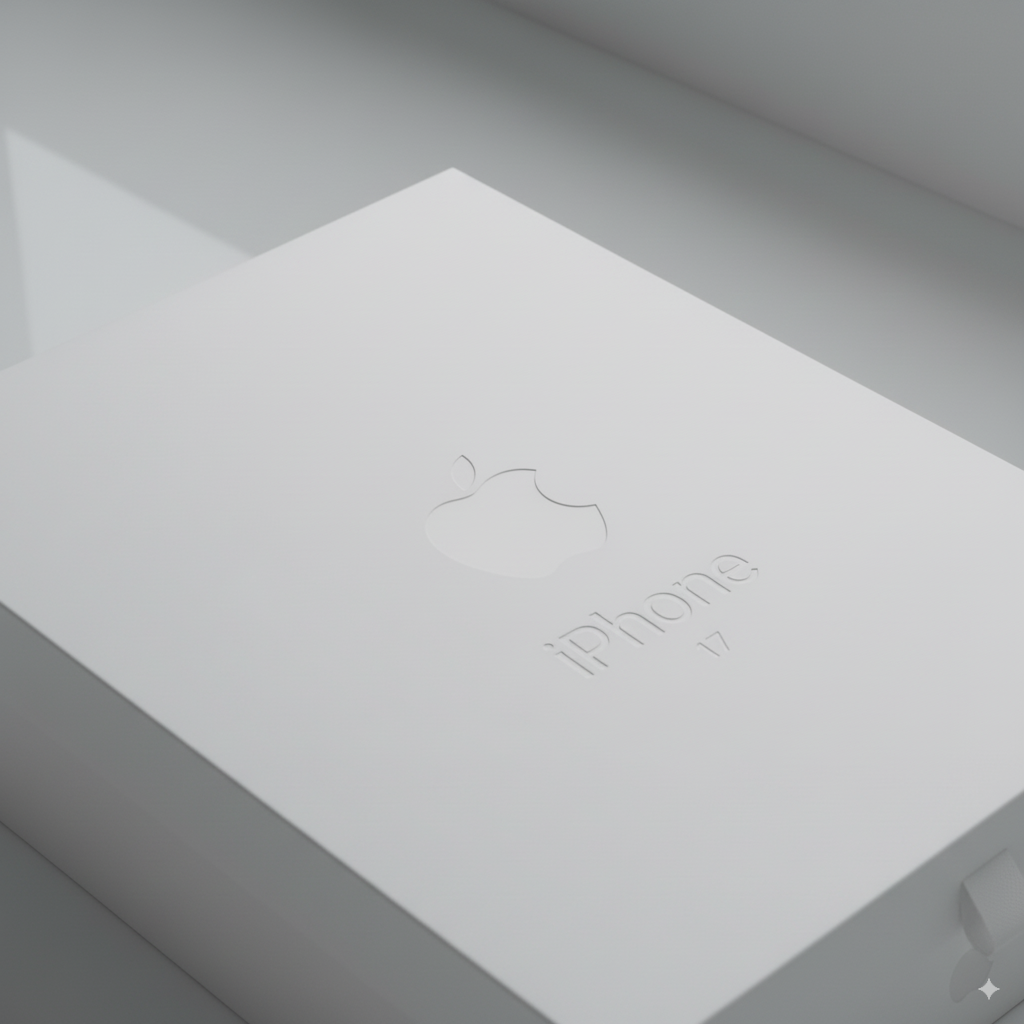
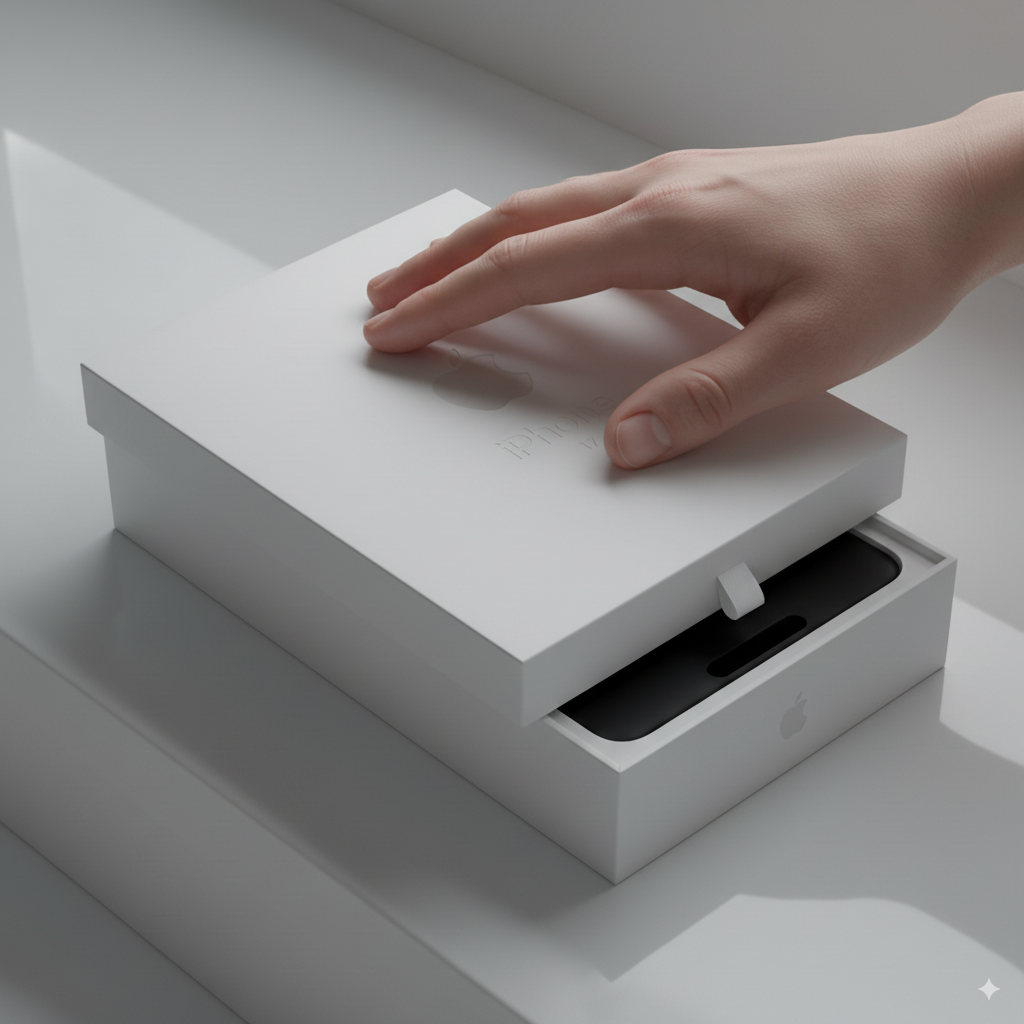
Apple uses rigid paper boxes for most iPhone models, including the new iPhone 17. The design is sleek, minimal, and free from cluttered graphics. The clean matte finish, embossed Apple logo, and precise edges convey luxury without saying a word.
📌 Inspiration for brands: Custom rigid boxes with foil stamping, embossing, or spot UV can achieve the same premium effect without Apple’s massive budget.
One unique element is how the lid slides slowly and smoothly when customers unbox an iPhone. This friction is not accidental — it’s engineered with exact measurements, creating a sense of anticipation.
Customers don’t just see the product — they feel the brand promise.
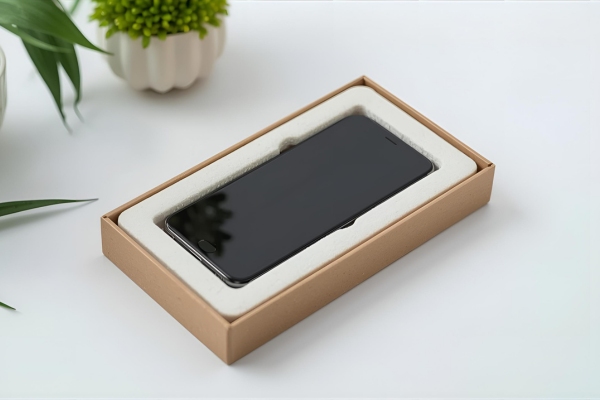
Inside, Apple relies heavily on pulp inlay packaging to hold devices securely. These molded trays are custom-designed to fit each iPhone model, reducing movement during shipping while keeping the presentation flawless.
Apple has been moving steadily toward sustainability, and the iPhone 17 packaging pushes this further:
100% Recycled Pulp Inlays: Instead of plastic trays, the iPhone 17 uses pulp fiber molded inserts.
Thinner Box Profile: Apple reduced packaging volume to cut shipping emissions, allowing more units per pallet.
No Plastic Wrap: Since the iPhone 13, Apple has eliminated external plastic film. The iPhone 17 continues this trend with paper-based tear strips.
This packaging approach not only enhances the eco-friendly brand image but also aligns with global packaging regulations (EU, US, and Asia).
Pulp inlay is at the heart of Apple’s packaging strategy. Here’s why it matters:
| Feature | Apple’s Pulp Inlay (iPhone 17) | Alternative for Small Brands |
|---|---|---|
| Material | Recycled molded fiber | Paperboard, foam, or EVA inserts |
| Protection Level | High (precise device fit) | Medium (depending on structure) |
| Cost | High (custom molds required) | Lower (die-cut inserts) |
| Sustainability | Excellent (100% recyclable) | Varies (some less eco-friendly) |
📌 Takeaway for small businesses: While pulp inlays are costly, brands can use folding carton dividers, corrugated inserts, or foam trays as more affordable options.
The iPhone 17 unboxing experience is a masterclass in branding. Research shows:
72% of consumers say premium packaging influences their perception of a brand.
67% of young consumers (Gen Z & Millennials) share unboxing videos on social media.
Apple leverages this by making packaging part of its marketing strategy.
For businesses, this highlights the need for Instagrammable packaging that drives organic exposure.
Apple is not just leading design — it’s staying ahead of packaging laws:
EU Packaging Directive: Requires reduced plastic and recyclable materials.
California Packaging Law (USA): Demands higher recycling rates for consumer goods packaging.
China’s “Green Packaging” Policy: Encourages the use of biodegradable and renewable packaging.
The iPhone 17 packaging ticks all these boxes, setting a benchmark for other global brands.
If you’re a business owner looking to design your own custom gift box or electronics packaging box, here’s how you can borrow from Apple without breaking the bank:
Focus on simplicity – Clean designs often feel more premium than busy artwork.
Invest in materials – Even basic rigid paper boxes can look luxurious with the right finish.
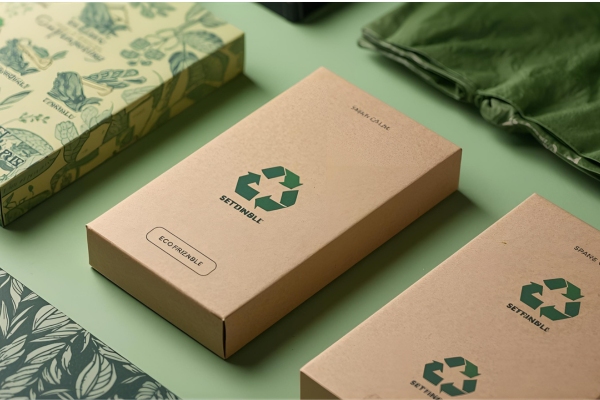
Think sustainability – Replace plastic trays with eco-friendly inserts.
Engineer the unboxing experience – Design packaging that opens smoothly and surprises customers.
Add personalization – Apple doesn’t customize, but you can — names, logos, or limited-edition designs boost brand loyalty.
Apple’s iPhone 17 packaging is more than just a box — it’s a brand statement, a sustainability commitment, and a customer experience tool. While not every business can match Apple’s budget, any company can adopt the principles of minimalism, eco-friendliness, and user-centric design.
If you’re exploring custom rigid boxes, magnetic closure boxes, or molded pulp inserts, learning from Apple’s playbook can give your brand a competitive edge.