Contact Us

Contact Us

Guangzhou Huaisheng Packaging Co.,Ltd.
We provide customers with quality products and provide high-quality services.
If you would like to leave us a comment please go to contact us
+86-18122240089


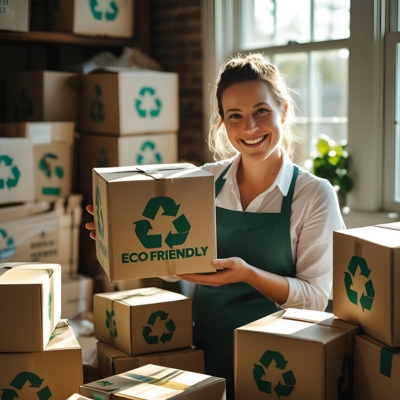
Eco-friendly packaging refers to packaging materials and practices that have a minimal environmental impact. These solutions are biodegradable, recyclable, compostable, or made from renewable resources. The goal is to reduce carbon footprints, eliminate waste, and promote circular usage.
Common eco-friendly packaging solutions include kraft paper boxes, cardboard mailers, mushroom-based packaging, and reusable pouches. More companies are now using recyclable packaging materials instead of plastic or laminated films to align with their environmental goals.
A growing number of consumers actively prefer sustainable brands. A 2023 McKinsey study showed that 60% of global shoppers consider a product’s packaging when deciding whether to buy. Brands that use sustainable packaging are seen as more responsible, transparent, and trustworthy.
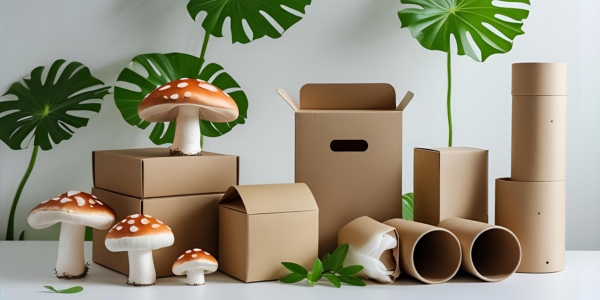
Plastic pollution is a global crisis. Eco packaging drastically reduces landfill contribution and energy usage. By shifting to compostable or recyclable materials, your brand helps decrease ocean plastic waste and lowers greenhouse gas emissions during production and disposal.
Many regions, such as the EU, California, and Canada, are implementing stricter packaging waste laws. Sustainable packaging can help your business stay compliant and avoid future penalties.
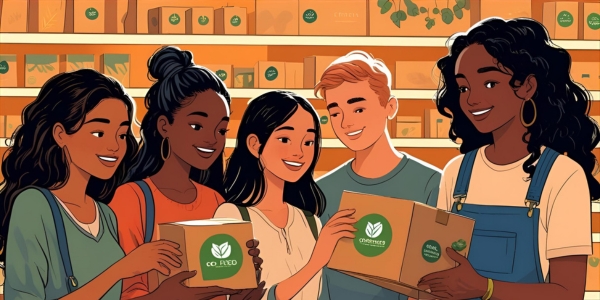
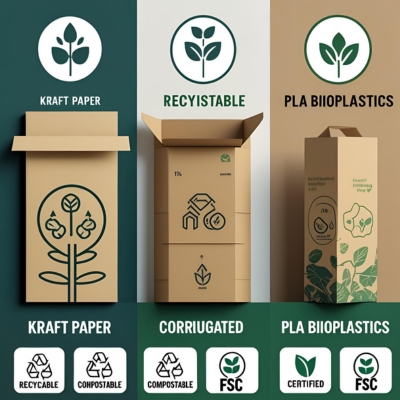
Here are some widely used materials to explore:
| Material | Features | Use Case |
|---|---|---|
| Kraft Paper | Recyclable, biodegradable | Boxes, bags, wraps |
| Corrugated Cardboard | Lightweight, strong | Shipping boxes |
| PLA (bioplastic) | Compostable | Food packaging |
| Mushroom Packaging | Grown from mycelium | Electronics, delicate items |
| Recycled Paperboard | Made from post-consumer waste | Gift boxes, inserts |
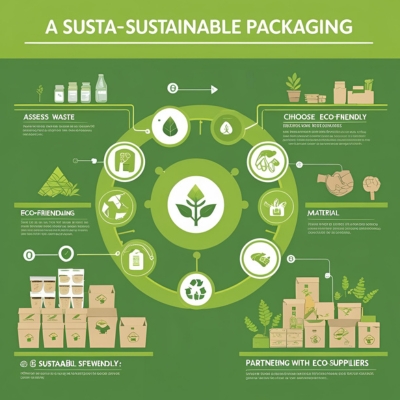
Start by analyzing how much plastic or non-recyclable material your packaging currently uses. Use this as a baseline to plan your improvements.
Not all sustainable options are suitable for every product. For example, glass may be eco-friendly but not ideal for high-volume shipping. Choose materials that align with your product’s weight, size, and protection needs.
Partner with a custom eco-packaging supplier that offers recyclable and biodegradable solutions. Ask if they provide FSC-certified paper, soy-based inks, and minimal plastic designs.
Let your customers know how to dispose of or reuse the packaging. Include recycling instructions or icons on your box. This improves brand image and reduces improper disposal.
Start with small-batch eco-friendly packaging to test market response. Over time, bulk orders can reduce the cost per unit and make your green packaging more scalable.
Improved Brand Reputation: Green initiatives resonate with eco-conscious customers.
Higher Conversion Rates: Studies show 70% of Gen Z consumers prefer sustainable brands.
Supply Chain Efficiency: Lightweight packaging reduces shipping costs.
Compliance-Ready: Avoid fines and align with upcoming packaging regulations.
| Challenge | Solution |
|---|---|
| Higher upfront cost | Start small, scale up; cost decreases with volume |
| Material sourcing | Partner with verified eco-packaging suppliers |
| Customer education | Use packaging inserts or QR codes for recycling info |
Eco-friendly packaging is more than just a trend — it's a necessary shift in how brands operate. By adopting recyclable packaging materials and working with sustainable suppliers, you protect the planet, meet customer expectations, and future-proof your brand.
Whether you're a small business starting your sustainability journey or a large corporation updating your operations, now is the time to make a positive impact.