Contact Us

Contact Us

Guangzhou Huaisheng Packaging Co.,Ltd.
We provide customers with quality products and provide high-quality services.
If you would like to leave us a comment please go to contact us
+86-18122240089

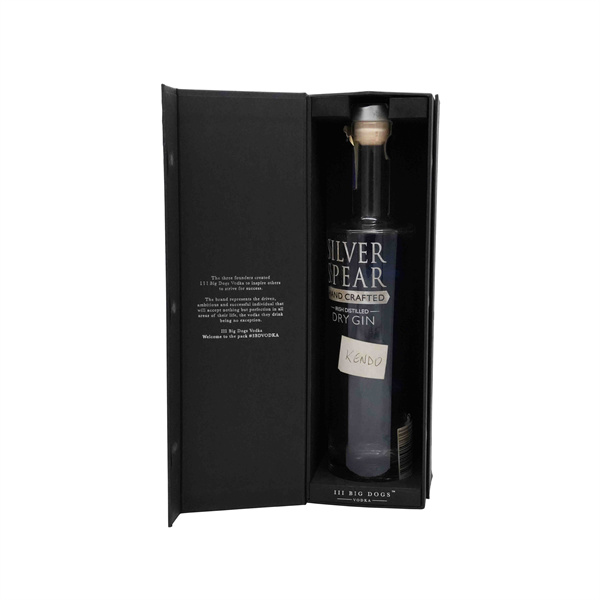
A box that looks strong on a desk can fail in a parcel network. Drops, vibration, and stacking all stress packaging, and fragile products such as glass bottles are especially vulnerable. Transport testing recreates those conditions so that problems appear in the lab, not in customer complaints.
This article is written for brands shipping fragile goods such as bottles, cosmetics, and electronics, and for buyers who want evidence that packaging will survive distribution.
The first problem is guessing. Buyers often judge strength by feel, but a box can feel stiff and still fail a corner drop. The second problem is testing an empty box; the weight and fragility of the real product change the result.
Another problem is mismatched tests. A product sold in stores needs different testing from one shipped to homes, so the test plan should follow the actual distribution route. Finally, test results should lead to changes, not just a pass or fail.
The target buyer includes wine and spirits brands, cosmetics and fragrance companies, electronics sellers, and e-commerce brands. Each should decide which route the product takes and what level of risk is acceptable.
Some buyers use recognized procedures such as ISTA-style tests, while others run simple in-house drop and compression checks.
Before testing, confirm the product weight and fragility, the distribution route (retail pallet, parcel, or express), the test type (drop, vibration, compression, or climate), the number of samples, and pass criteria. Use the real product or a representative mass.
A complete plan should record the packaging structure, insert, outer carton, and test results with photos. Ask the factory whether it can run basic drop and compression tests and provide reports.
If a test fails, adjust the weak point: thicker corners, a tighter insert, a double-wall carton, or a better divider. Retest after each change. Small design changes often give large improvements.
For bottles, check that the neck and base are supported and that bottles do not touch. For electronics, check that internal parts do not shift and that the box does not collapse under stacking.
The following internal links can be used inside the article body or at the end of the article to guide visitors toward relevant product pages:
Define the distribution route first, then test the real product in its final packaging. Keep the report to support future orders and customer discussions.
Huaisheng can advise on structure and run basic drop and compression checks during sampling. Share your product and route and we will propose a test plan.
A set of standardized procedures that simulate shipping conditions such as drops, vibration, and compression.
Yes, since weight and fragility change the result.
Identify the weak point, adjust the design, and retest.
Transport testing turns guesses into evidence. Buyers who test the real product on the real route and act on the results avoid damage and complaints. The next step is to share your product and route for a test plan.