Contact Us

Contact Us

Guangzhou Huaisheng Packaging Co.,Ltd.
We provide customers with quality products and provide high-quality services.
If you would like to leave us a comment please go to contact us
+86-18122240089


Electronic products are more delicate, more valuable, and more brand-driven than ever before. From consumer electronics to smart devices and accessories, packaging is no longer just a container—it is part of product protection, brand positioning, and customer experience.
A poorly designed electronic packaging box can result in damaged goods, high return rates, and lost customer trust. This guide explains how to make an electronic packaging box step by step, based on real production practices used by professional packaging manufacturers.
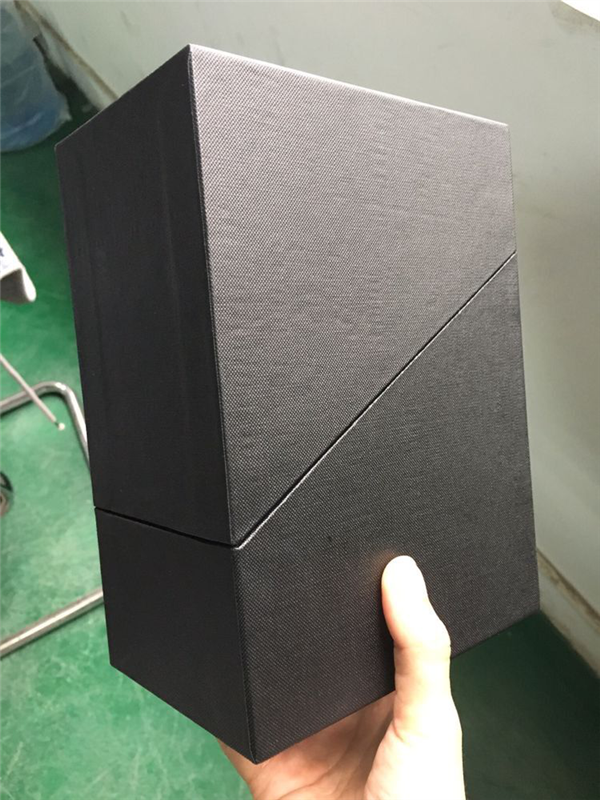
An electronic packaging box is a protective, structured paper-based package designed to safely store, transport, and present electronic products. Unlike standard retail boxes, electronics packaging must balance:
Physical protection
Anti-static safety
Brand presentation
Shipping efficiency
Common applications include packaging for:
Mobile phones and accessories
Headphones and earbuds
Chargers and cables
Smart devices and small electronics
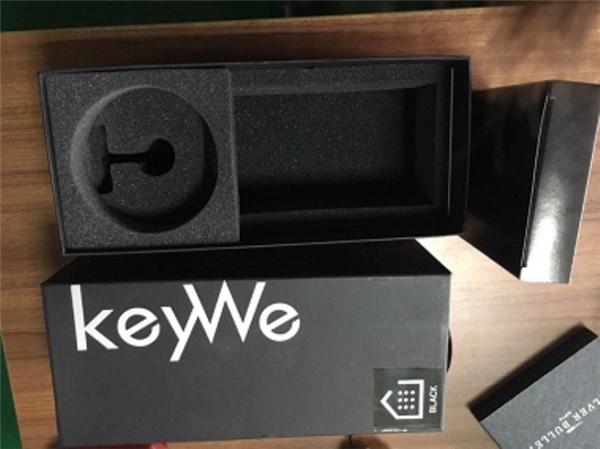
Before design begins, protection needs must be clearly identified.
Shock and vibration during transport
Pressure from stacking
Moisture exposure
Static electricity damage
This is why protective packaging for electronics is always the foundation of the design process.
Material selection directly affects cost, durability, and brand perception.
Rigid greyboard – Ideal for premium electronics
Corrugated paperboard – Suitable for shipping-focused packaging
Coated art paper – Enhances printing quality
Kraft paper – Eco-friendly and cost-efficient
For high-end products, rigid electronic packaging boxes offer the best structural protection and luxury feel.
The internal structure is just as important as the outer box.
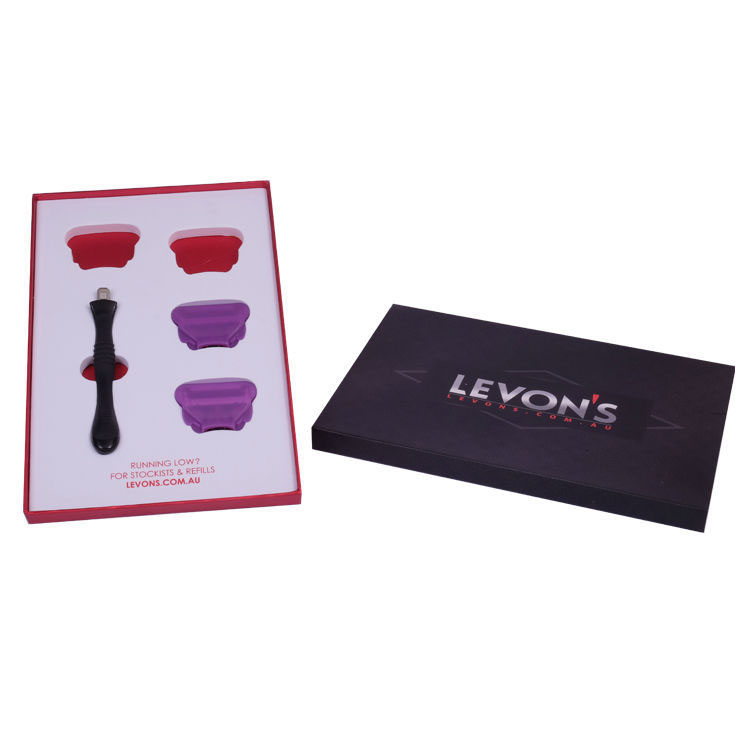
EVA foam inserts – Excellent shock absorption
Sponge inserts – Lightweight and flexible
Paper pulp trays – Eco-friendly option
Cardboard dividers – Cost-effective for accessories
A well-designed insert ensures the product remains fixed in place during transit.
Certain electronics are sensitive to static discharge.
Anti-static foam
Conductive coating on inserts
Anti-static plastic bags combined with paper boxes
This step is especially important for circuit boards and precision components.
Choosing the right structure improves both usability and brand image.
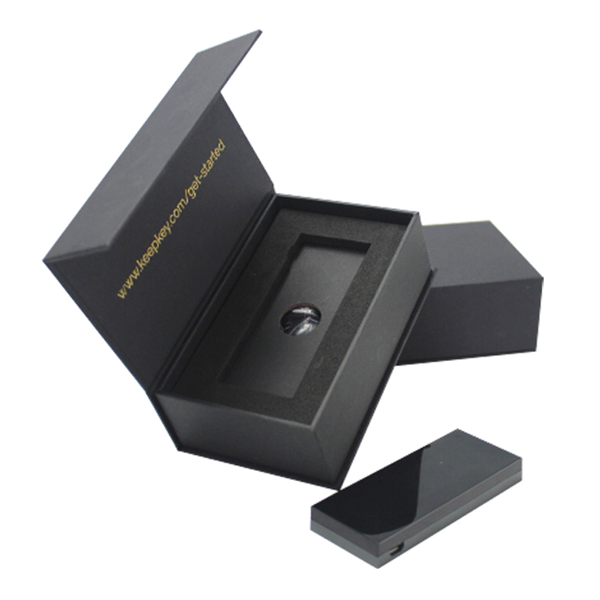
Magnetic closure rigid box
Lid-and-base rigid box
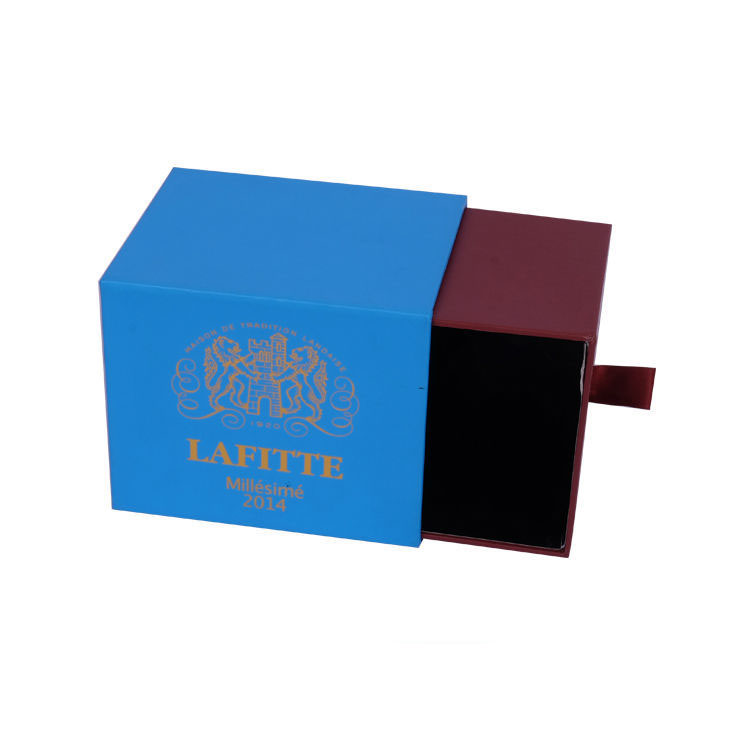
Drawer box (slide-out)
Foldable paper box
Luxury electronics brands often prefer magnetic closure packaging for a premium unboxing experience.

Electronics packaging should reflect brand quality and trust.
Offset printing for clarity
Pantone color matching
Matte or soft-touch lamination
Spot UV or embossing for logos
Avoid excessive decoration—clean, minimal design works best for electronics.
Before mass production, testing is essential.
Drop test
Compression test
Vibration test
Moisture resistance test
Professional electronics packaging box manufacturers conduct these tests to reduce shipping risks.
Designing is only half the job. Execution depends on the supplier.
A reliable custom electronics packaging manufacturer should provide:
Structural design support
Sample testing
Insert optimization
Export packaging solutions
Experienced electronics packaging box factories in China often offer the best balance of cost, quality, and production capacity.
Modern electronics brands are moving toward:
Plastic-free packaging
FSC-certified paper
Recyclable inserts
Reduced material waste
Sustainable electronics packaging improves brand image and meets global compliance standards.

Rigid greyboard with EVA foam inserts offers the highest protection for premium electronics.
Use shockproof inserts, proper box thickness, and conduct drop testing.
Yes. Size, structure, inserts, printing, and materials can all be customized.
Sampling usually takes 7–10 days; mass production takes 20–30 days depending on complexity.
Learning how to make an electronic packaging box is not just about design—it’s about understanding product risk, logistics, and brand positioning. Brands that invest in proper electronics packaging reduce returns, enhance customer experience, and strengthen market trust.