Contact Us

Contact Us

Guangzhou Huaisheng Packaging Co.,Ltd.
We provide customers with quality products and provide high-quality services.
If you would like to leave us a comment please go to contact us
+86-18122240089

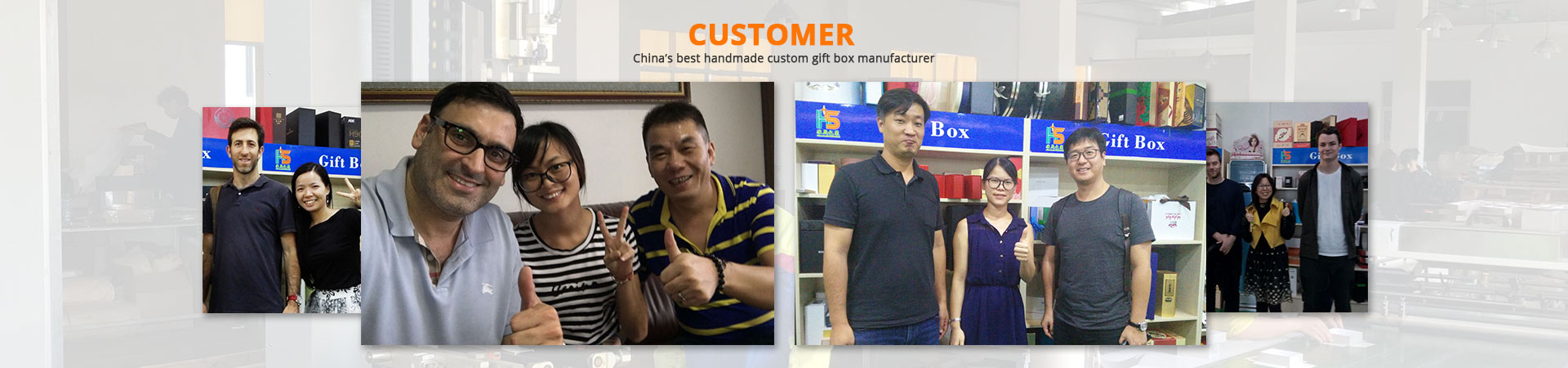
In today’s competitive market, product packaging isn’t just a container — it’s a powerful communication tool that speaks for your brand. From unboxing experiences to shelf appeal, packaging design can either convert a curious buyer into a loyal customer or deter them. But how do you create custom product packaging that’s not only visually stunning but also practical, cost-effective, and aligned with your brand story?
This guide walks you through everything you need to know about how to design product packaging — whether you're launching a new product or rebranding an existing one.
Before diving into design, clarify your goals. Product packaging serves several purposes:
Protects the product during transit and storage
Informs the customer of what’s inside
Attracts attention on shelves or online marketplaces
Reinforces your brand identity
Enhances the customer experience
Ask yourself:
Will this be displayed in-store or shipped directly to consumers?
Is sustainability important to your buyers?
Do you want reusable or single-use packaging?

The key to effective packaging design lies in understanding who you're designing for.
If you're targeting eco-conscious millennials, consider eco-friendly packaging design made from recycled materials and minimal ink.
For luxury goods, high-end finishes like matte lamination, gold foil stamping, or rigid box structures signal premium quality.
For small businesses, minimal, functional designs with low production costs are often preferred.
Understanding your customers’ values helps you create packaging they’ll resonate with emotionally and practically.
Different products require different packaging solutions. Here are some popular choices:
| Packaging Type | Best For | Common Materials |
|---|---|---|
| Folding Carton Boxes | Cosmetics, supplements | Paperboard |
| Rigid Boxes | Electronics, jewelry | Chipboard, rigid board |
| Corrugated Boxes | Shipping, eCommerce | Corrugated cardboard |
| Tube Packaging | Wine, cosmetics, artwork | Kraft paper, cardboard |
| Custom Sleeves | Soap, candles, apparel | Paperboard, coated paper |
Selecting the right box type not only affects your branding but also your shipping costs and customer satisfaction.
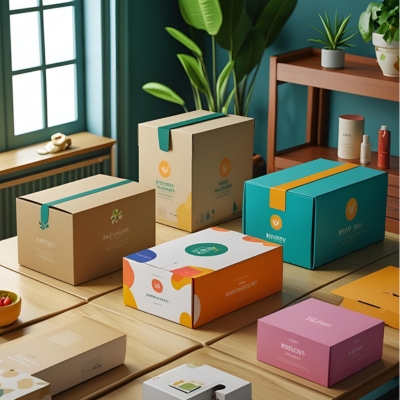
Your packaging should be an extension of your brand. Use:
Logo: Place it prominently
Typography: Match brand fonts used on your website
Colors: Stick to your brand palette
Voice: If you use humor or elegance in your messaging, do the same on the box
A strong, consistent brand image helps build trust and improve brand recall. Think of your packaging as a brand ambassador.
Design isn’t just visual — it’s structural too. Consider these practical factors:
Durability: Will it survive shipping?
Ease of opening: Avoid frustrating seals
Storage: Stackable or space-saving designs
Sustainability: Use recyclable or compostable materials
If you’re a small business, hiring a packaging designer may feel costly. Fortunately, some B2B manufacturers offer free design assistance to help you create fully customized packaging based on your product specs.
For example, HS Packaging provides:
Free structural & visual design mockups
Material suggestions
Cost-efficient solutions for small to bulk orders
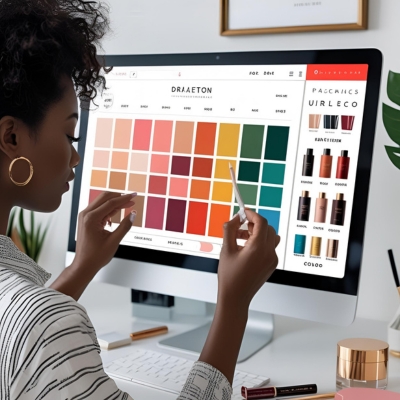
If you’re in food, cosmetics, or pharmaceuticals, ensure that your packaging includes:
Product name
Net weight
Manufacturer info
Expiration date
Safety instructions
Failing to follow legal guidelines can lead to product recalls or legal issues. Always stay updated with local and international labeling standards.
Before mass production, create a packaging prototype. This allows you to:
Check for printing errors
Assess structure durability
Test consumer reactions
Estimate actual shipping costs
Consider A/B testing different versions. This helps find the most appealing design without wasting budget.
Partnering with a reliable custom packaging supplier is crucial. Look for suppliers that:
Offer low MOQ (minimum order quantity)
Provide free samples or design support
Can meet your timeline and budget
Have experience in your industry
Are certified for eco-friendly packaging (FSC, ISO, etc.)
A good packaging partner ensures your design translates perfectly from concept to production.
In 2025 and beyond, smart packaging is rising. Brands are embedding QR codes, NFC chips, and augmented reality (AR) triggers in boxes to:
Provide tutorials
Offer loyalty programs
Track authenticity
Encourage social sharing
If you serve tech-savvy consumers, this could add immense value to your packaging.
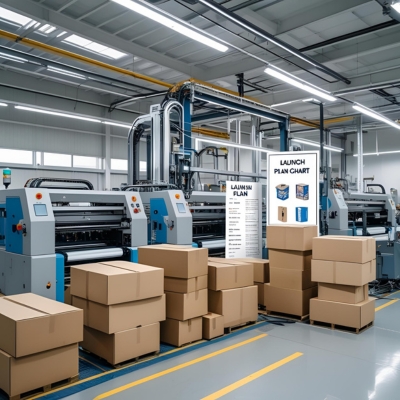
Designing packaging isn't just about picking colors and fonts — it’s a strategic process that combines marketing, logistics, and psychology. Whether you’re a startup or an established brand, investing in thoughtful, custom product packaging will elevate your product’s presence and reinforce your brand message.
Need help designing your packaging? Our experts at HS Packaging are ready to help — from free design concepts to bulk manufacturing.