Contact Us

Contact Us

Guangzhou Huaisheng Packaging Co.,Ltd.
We provide customers with quality products and provide high-quality services.
If you would like to leave us a comment please go to contact us
+86-18122240089

Advent calendar boxes have become one of the most profitable holiday packaging formats, and the reason is simple: they combine storytelling, surprise, and premium presentation—all in one box. In 2025, demand for custom advent calendar boxes continues to rise across beauty, chocolate, fashion, jewelry, wellness, and toy brands. According to NPD Group’s Holiday Insights Report 2024, products with countdown-style packaging saw 32% higher engagement and 26% higher repeat purchase intention compared to standard seasonal packaging.
This guide reveals exactly how an advent calendar box is made, from structural design to printing, assembly, quality control, and mass production. You’ll also learn the materials used, the manufacturing workflow, and how brands order custom advent calendar boxes for holiday campaigns.
Before production begins, engineers create a dieline structure based on:
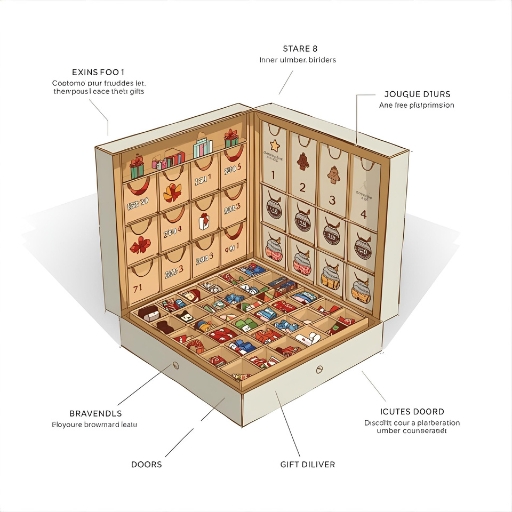
Number of days (12-day, 24-day, 25-day)
Drawer vs. door-opening structure
Insert type (paper tray, cardboard dividers, blister, or EVA foam)
Product weight and size
Box style (drawer box, book-shaped box, magnetic box, rigid gift box, or folding box)
Most common structures:
| Type | Pros | Cons | Best For |
|---|---|---|---|
| Drawer-style advent calendar | Premium, reusable, durable | Higher cost | Beauty, jewelry |
| Door-opening calendar | Lightweight, economical | Less durable | Chocolate, small gifts |
| Magnetic book-shaped box | Elegant, strong | Slightly heavier | Luxury skincare, perfume |
Ranking based on popularity (2025)
Drawer-style advent calendar box (Luxury segment No.1)
Magnetic book-shaped advent calendar
Door-opening cardboard advent calendar
Most advent calendar boxes are made from:
This is the industry standard for luxury advent calendars.
Board thickness: 1.5mm–3.0mm
Finish: laminated with coated art paper
Preferred by chocolate, snack, and eco-friendly brands.
Demand is rising. According to Forest Stewardship Council (FSC) 2024 Report, global FSC-certified packaging demand increased over 20% YoY.
Paperboard dividers (most sustainable)
Blister/PET (best visual protection)
EVA foam (luxury, jewelry, perfume)
Once the structure is confirmed, printing begins.
Common printing methods:
Offset CMYK printing (most used)
Pantone spot color printing
UV printing (for shine & texture)
Finishing options:
Matte lamination (luxury matte touch)
Glossy lamination (bright colors)
Soft-touch velvet coating
Hot stamping (gold/silver foil)
Embossing/debossing
Glitter and holographic effects
Hot foil stamping + soft-touch lamination ranks as the most preferred finishing combination for premium advent calendar packaging in 2025.
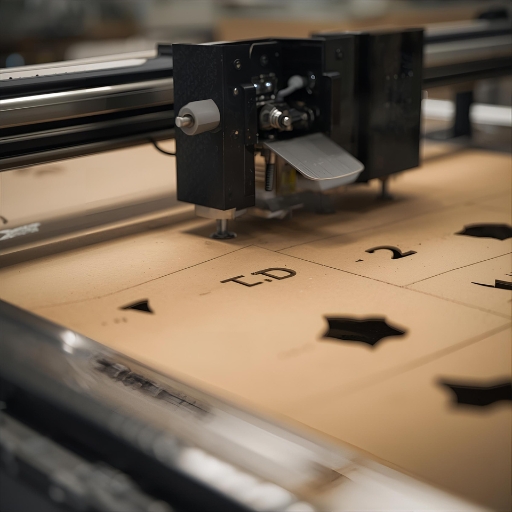
After printing, sheets enter die-cutting:
Sharp metal dies cut out the exact box shape
Creasing lines prepare the folds
Window or door shapes are cut using precise blades
Door-opening advent calendars often require:
Micro-perforation
Pre-scored opening lines
These must be engineered with precision to ensure smooth opening without tearing the panel.
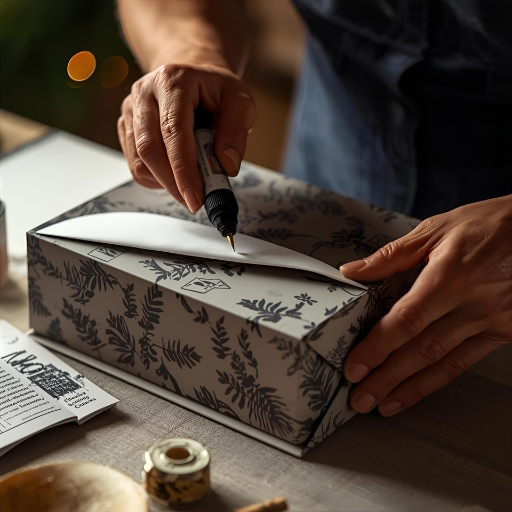
Rigid advent calendar boxes require manual craftsmanship.
Mounting greyboard and art paper
Forming the outer shell
Assembling drawers or door panels
Installing insert trays
Adding ribbons, magnets, or handles
Reinforcing stress points
Large brands often require:
100% hand inspection
Burst-strength testing
Drop testing
Color consistency scanning
Depending on product size, engineers design:
24 or 25 compartments
Custom-cut cavities
Branded printed numbers
Pull-out ribbons
Insert types:
Paperboard trays (eco-friendly)
Blister trays (chocolate, candy)
EVA foam (fragile gift items)
Each advent calendar box undergoes:
Glue strength testing
Box alignment check
Rub resistance test
Magnet performance test
Smell test (especially for chocolate calendars)
Finally, boxes are packed into:
Protective polybags
Export cartons
Palletized shipments
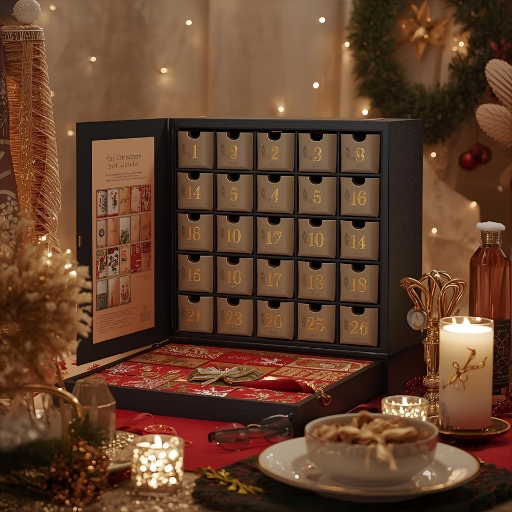
| Type | Cost | Durability | Luxury Level | Lead Time |
|---|---|---|---|---|
| Drawer / chest-style | High | ★★★★★ | ★★★★★ | Medium |
| Magnetic book | Medium | ★★★★☆ | ★★★★☆ | Short |
| Door-opening cardboard | Low | ★★★☆☆ | ★★☆☆☆ | Fastest |
Winner for premium brands: Drawer-style
Winner for startups & mass market: Door-opening cardboard
Small businesses (Etsy, Shopify, boutique brands) often start with:
Low MOQ (100–500 units)
Standard drawer structures
Eco paper inserts
Larger brands require:
OEM structures
3D prototype samples
Exclusive magnetic locks
Sustainable material certifications (FSC, GRS)
Advent calendars usually require:
15–25 days production
2–5 days prototyping
Usually 15–25 days depending on structure and finishing.
Rigid greyboard (1.5–3.0mm) with soft-touch lamination and hot foil stamping.
Yes—brands often use FSC paper, soy-based inks, and recyclable inserts.
Beauty, skincare, chocolate, toys, jewelry, perfume, tea, and wellness.
Yes—most factories support full customization including size, materials, and inserts.