Contact Us

Contact Us

Guangzhou Huaisheng Packaging Co.,Ltd.
We provide customers with quality products and provide high-quality services.
If you would like to leave us a comment please go to contact us
+86-18122240089

Quality problems in packaging are visible: scratches, wrinkled wrap, off-color print, misaligned foil, weak glue. They are also subjective until they are defined. A buyer who writes down what counts as a defect, how many are acceptable, and when inspection happens avoids most disputes after goods arrive.
This article is written for importers, brand owners, and sourcing teams who order custom gift boxes and want a practical quality-control checklist.
The first problem is vague expectations. Phrases like good quality or premium finish cannot be inspected. The second problem is timing: inspecting only after shipping leaves little room for correction, while inspecting during production can catch issues early.
A third problem is sampling without a standard. Looking at a few random boxes does not describe the whole lot, and arguments follow when the buyer and factory use different criteria. Finally, approved samples often drift in bulk production if no reference sample is kept.
The target buyer includes first-time importers, brands with strict visual standards, procurement teams managing several suppliers, and agencies buying for clients. Each should define defect classes, acceptance levels, and who inspects, whether the buyer, a third party, or the factory.
Buyers with deadlines also benefit from staged checks, since a problem found at pre-production costs less to fix than one found after packing.
Before production, confirm the approved reference sample, the defect classification (critical, major, minor), the AQL level for each class, the inspection stage (during production and pre-shipment), and the documents required. Define measurable checks: dimensions, color tolerance, glue strength, closure function, and carton marks.
A complete purchase order should include the reference sample, written tolerances, packing requirements, and the remedy if the lot fails, such as rework, replacement, or credit. Ask the factory about its in-house inspection steps and records.
Quality also depends on design. Tight tolerances, tiny type, and complex finish combinations raise reject rates. Discuss with the factory which features are risky and simplify where possible. Keep a golden sample sealed and signed by both sides.
Use photos and measurable criteria. A defect catalog with examples of acceptable and unacceptable marks removes subjectivity and speeds up decisions during inspection.
The following internal links can be used inside the article body or at the end of the article to guide visitors toward relevant product pages:
Write quality expectations into the purchase order, keep a signed reference sample, and schedule at least one inspection before the goods leave the factory. Treat the first order as a calibration so later orders run smoother.
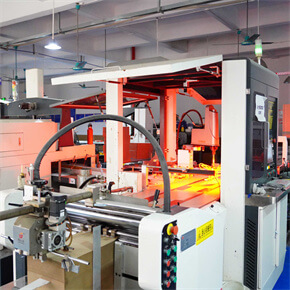
Huaisheng has in-house inspection steps and vision-assisted equipment, and welcomes third-party inspection. Share your quality requirements and we will align on defect criteria before production.
Acceptable Quality Limit is a sampling standard that defines how many defects are acceptable in an inspected sample before a lot is rejected.
Ideally during production and again before shipment, so issues can be fixed without delaying delivery.
The buyer, a third-party inspector, or both, depending on risk and order value.
Quality control works when expectations are measurable and agreed before production. Buyers who define defect classes, keep a reference sample, and inspect at the right stages reduce disputes and delays. The next step is to share your quality standards for a joint inspection plan.